
Optimal Timing for Shrub Trimming
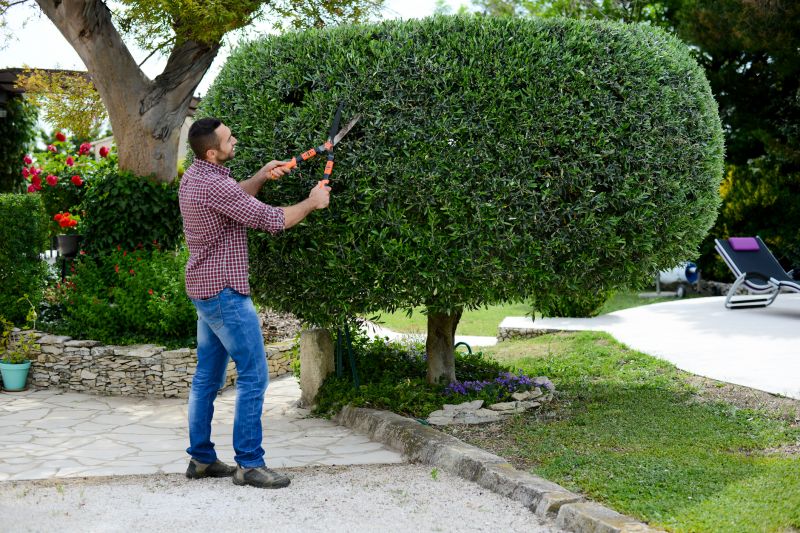
Early spring is ideal for shaping and removing dead or damaged branches before new growth begins.

Light trimming during summer encourages fuller growth and maintains shrub shape.

Late fall trimming helps prepare shrubs for winter dormancy and promotes healthy growth in the following season.
Shrub trimmings involve the careful removal of overgrown or unhealthy branches to promote healthy growth and maintain aesthetic appeal. Proper timing ensures shrubs remain vigorous and visually appealing throughout the year. The best time for trimming varies depending on shrub type, climate, and desired outcomes.
Late winter or early spring before new growth starts is recommended for evergreen shrubs to encourage dense, healthy foliage.
Late winter or early spring before bud break is ideal for deciduous varieties to shape and remove dead wood.
Timing depends on flowering type; prune after flowering for spring bloomers, or late winter for summer bloomers.
Proper timing prevents stress on the plant, reduces disease risk, and encourages vigorous growth.
| Shrub Type | Best Trimming Time |
|---|---|
| Evergreen | Late winter to early spring |
| Deciduous | Late winter to early spring |
| Spring-flowering | Immediately after flowering |
| Summer-flowering | Late winter or early spring |
| Drought-tolerant | Late winter |
| Shade-loving | Early spring |
| Fruit-bearing | Post-harvest in late summer or early fall |
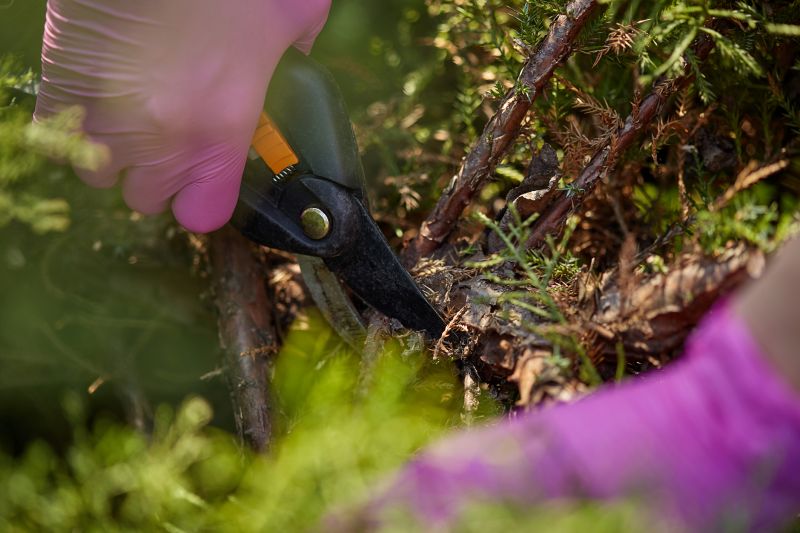
Using sharp, clean tools ensures precise cuts and reduces plant stress.

Proper techniques include selective cutting and shaping to promote healthy growth.

Consistent trimming throughout the year supports shrub health and aesthetics.
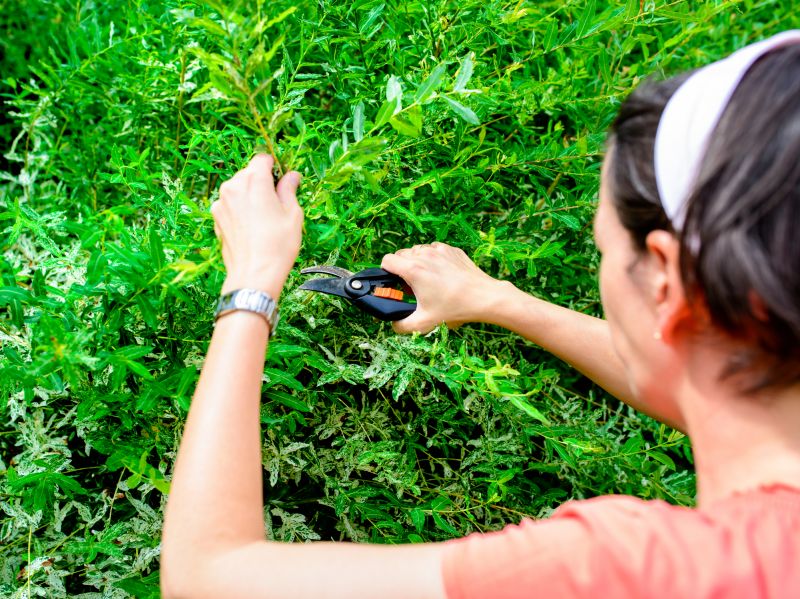
Removing diseased branches promptly reduces the spread of infections.
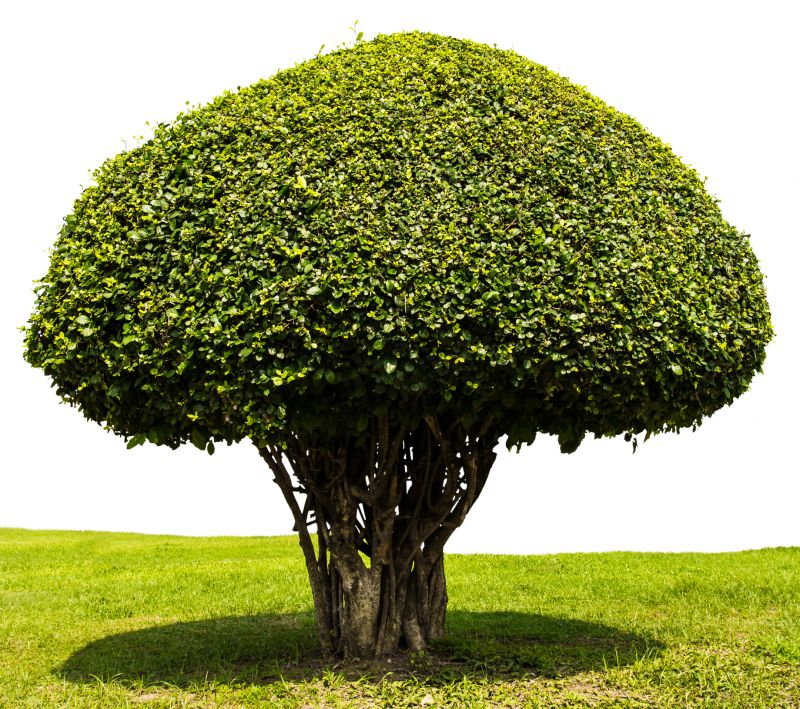
Timely trimming encourages denser foliage and better flowering.
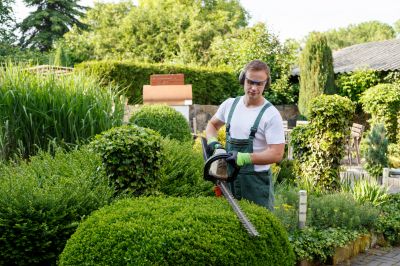
Applying mulch and watering helps shrubs recover quickly after trimming.
Proper timing and techniques for shrub trimmings are essential for maintaining healthy, attractive plants. Understanding the specific needs of different shrub types ensures optimal results. Regular trimming supports growth, enhances appearance, and prolongs the lifespan of shrubs.

Well-maintained shrubs contribute to landscape beauty and property value.

Adjust trimming schedules based on plant type and seasonal growth patterns.

Using appropriate tools ensures clean cuts and healthy regrowth.

Trimming can define landscape structure and improve visual appeal.
Interested in scheduling shrub trimmings? Fill out the contact form to receive more information and assistance tailored to specific shrub types and landscaping goals.